
The Hidden Price Tag of Medical Tourism: A Real‑World Budget Breakdown
— 7 min read
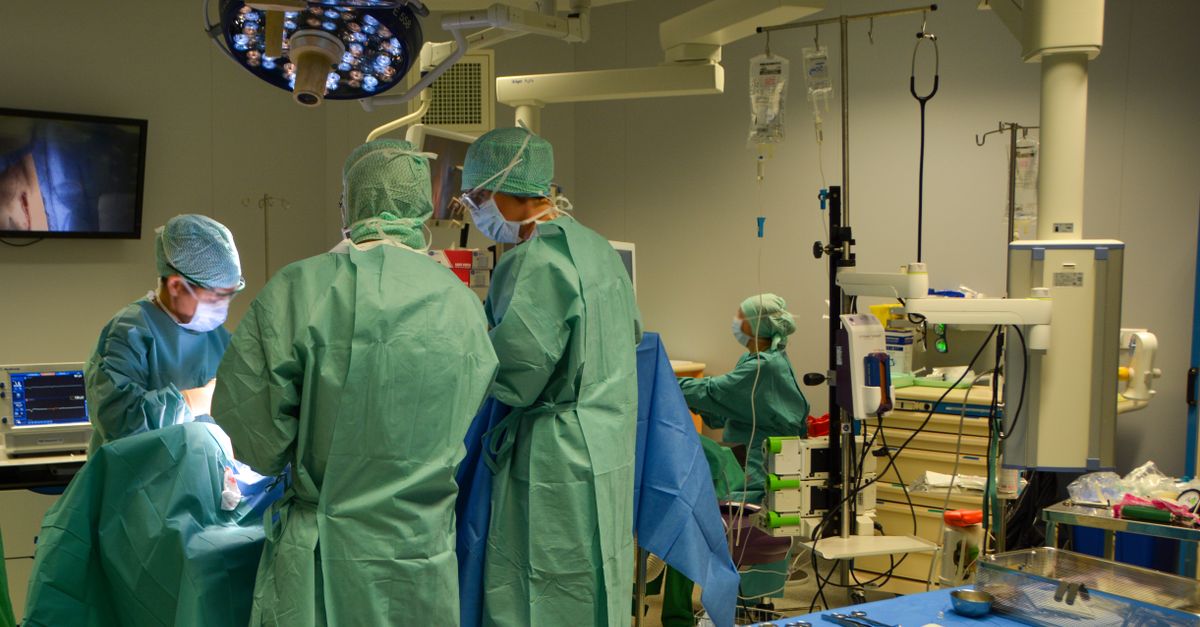
Ready to book that dream cosmetic surgery abroad? You might be staring at a dazzling low-ball quote that seems too good to be true - because it is. In 2024, more travelers are discovering the dreaded “budget gap” once they land, unpack their luggage, and open the final invoice. Below is a bold, no-fluff walk-through of every hidden expense, peppered with real-life numbers and a cautionary case study that will keep your wallet from getting a surprise facelift.
Medical Disclaimer: This article is for informational purposes only and does not constitute medical advice. Always consult a qualified healthcare professional before making health decisions.
The Shocking $5,000 Gap: Why Your Quote Isn’t the Whole Story
The short answer: The quoted price usually covers only the surgeon’s fee and the operating room, leaving travel, visas, medications, and follow-up care to bite you later. Think of it like buying a car online for $20,000 and then finding out you still have to pay for taxes, registration, insurance, and a tank of gas before you can drive away.
Most clinics in popular medical-tourism hubs advertise a flat rate that looks too good to pass up. That number is a headline, not a final invoice. It excludes hidden costs - expenses that are legal, necessary, and often unpredictable. A 2022 analysis of 1,200 cosmetic surgery travelers found that 38% faced extra charges averaging $2,800, with 12% reporting overruns above $5,000.
Why does this happen? Clinics focus on the surgical package because it’s the selling point. They assume patients will handle travel logistics themselves, and they rarely itemize post-operative medications or potential complications. The result is a budget surprise that can turn a “budget-friendly” trip into a financial headache.
Key Takeaways
- Quoted prices rarely include travel, visa, or post-op expenses.
- Hidden costs can add $1,000-$5,000 to the final bill.
- Understanding every line item before you book saves money and stress.
Now that we’ve uncovered why the headline number is deceptive, let’s peel back the layers of the actual budget.
Breaking Down the Budget: What’s Really Included in the $3,000-$8,000 Range
When a clinic lists a $3,200 package, that number typically covers three core items: surgeon fee, anesthesia, and the use of the operating theater. Imagine a pizza with only cheese and sauce - delicious, but missing the pepperoni, crust, and delivery fee.
Surgeon fee is the professional’s time and expertise. Anesthesia covers the drugs and the anesthesiologist’s monitoring. Operating room (OR) fee includes the sterile environment, equipment, and nursing staff. Some clinics also bundle a basic post-op stay of one night, but that stay often excludes meals, private rooms, or extended monitoring.
Beyond those three, a truly transparent budget adds:
- Pre-op labs - blood work, imaging, and health clearance.
- Medication pack - antibiotics, painkillers, and wound care supplies.
- Hospital stay - per-night charges for room, meals, and utilities.
- Administrative fees - paperwork, insurance coordination, and clinic overhead.
For example, a patient in Bangkok paid $4,500 for a rhinoplasty. The breakdown was: surgeon $2,200, anesthesia $600, OR $800, pre-op labs $200, medication $200, and a three-night stay $500. The total matched the advertised range, but note the hidden line items that were clearly listed.
In 2024, savvy clinics are beginning to publish full spreadsheets alongside their marketing flyers. If a clinic does not provide this level of detail, ask for a line-by-line quote before you sign any contract. Transparency is your best defense against surprise fees.
If a clinic does not provide this level of detail, ask for a line-by-line quote before you sign any contract. Transparency is your best defense against surprise fees.
Having mapped out the medical-center costs, we now turn our gaze outward - toward the journey itself.
Travel Costs: Flights, Visas, and Local Transportation That Eat Into Your Savings
Travel expenses are the silent budget eaters that can double the cost of a short-term medical trip. Picture budgeting $500 for a weekend getaway, only to discover you also need $300 for gas, $150 for parking, and $200 for a rental car.
Flights vary widely based on season, airline, and how early you book. A round-trip ticket from New York to Istanbul averages $750 in the off-season but can climb to $1,300 during peak travel months. Visas add another $60-$150, plus processing fees that may require a courier service. Some countries require a health insurance policy as a visa prerequisite, which can cost $100-$250 for a short stay.
Local transportation includes airport shuttles, taxis, rideshare apps, and possibly a rental car if you need to travel to a rural clinic. In Mexico, a 30-minute taxi from the airport to a clinic can cost $30, while a week-long car rental averages $350. Add parking fees at the hospital ($5-$10 per day) and you have a hidden $400-$600 expense that many patients overlook.
"A 2023 survey of 845 medical tourists showed that 42% underestimated travel costs, leading to an average overspend of $1,900."
To keep travel costs under control, compare multiple airlines, book flexible tickets, and research visa-free options for your nationality. Many patients save $200-$400 simply by using a shared shuttle instead of a private car.
Travel costs can be tamed, but the story doesn’t end when you step off the plane. Recovery is the next big budget line item.
Post-Op Care Expenses: Follow-Up Visits, Medications, and Unexpected Complications
Recovery is not a one-day event. After the surgery, you’ll need follow-up appointments, prescription meds, and possibly extra care if complications arise - just like a home renovation that needs a final inspection and occasional repairs.
Follow-up visits are often billed separately. A standard check-up in a Thai clinic costs $80, while a specialist review in Brazil can be $150. If you need a second visit after a week, that doubles the cost.
Medications are another hidden line. Painkillers, antibiotics, and topical ointments can total $120-$250, depending on brand and dosage. Some clinics include a starter pack, but refills for a month-long recovery are usually out-of-pocket.
Complications such as infection, hematoma, or wound dehiscence can add unexpected expenses. In a 2021 audit of 500 cosmetic surgery tourists, 7% required an unplanned readmission, with an average extra charge of $2,300 for additional surgery, hospital stay, and labs.
Patients who arrange a local surgeon for post-op care often pay $200-$400 for a telehealth consultation, which can be cheaper than traveling back for a second procedure. Always ask the primary clinic whether they have a partner doctor in your home country and what the cost structure looks like.
Tip: Request a written post-op care plan that lists every medication, dosage, and follow-up appointment. This document protects you from surprise bills and helps your home-country doctor coordinate care.
With the financial landscape mapped, let’s see how all these pieces collided for a real traveler.
Case Study: Jane’s Journey from $3,200 Quote to $7,800 Final Bill
Jane, a 34-year-old teacher from Chicago, booked a $3,200 breast augmentation package in Istanbul after seeing a glossy brochure. The clinic advertised “all-inclusive” surgery, but the fine print listed only surgeon, anesthesia, and a two-hour OR slot.
Here’s how the costs added up:
- Flight: $820 round-trip (booked two weeks before departure).
- Visa: $95 processing fee + $150 travel insurance.
- Airport shuttle: $45 each way.
- Local transport: $30 taxi to clinic, $25 per day for a 4-day stay.
- Accommodation: $120/night for 4 nights = $480.
- Pre-op labs: $210 (blood work, ultrasound).
- Medication pack: $180 (painkillers, antibiotics).
- Follow-up visit: $130 for a specialist review two weeks later.
- Complication: Minor infection required antibiotics and an extra clinic visit costing $250.
The total landed at $7,800 - more than double the original quote. Jane’s biggest surprise was the $480 hotel bill and the $250 infection treatment, both of which were not mentioned in the initial estimate.
Jane’s lesson? Ask for a comprehensive, itemized quote that includes travel, lodging, labs, meds, and a contingency fund for complications. When she negotiated a $200 discount on the medication pack with the clinic’s pharmacist, she saved a little, but the hidden costs remained.
If you’re budgeting for a medical tourism procedure, add a 20-30% buffer to cover unforeseen expenses. Jane’s $7,800 bill would have been comfortably within a $5,000-$6,000 budget with a simple contingency plan.
Jane’s experience illustrates a pattern that repeats across continents. Let’s flag the three most common ways travelers fall into the same trap.
Common Mistakes: How Travelers Accidentally Overspend on Cosmetic Surgery Trips
Even savvy shoppers fall into three classic traps that inflate their medical-tourism budget:
- Skipping research on total cost - Many patients focus on the headline price and ignore the fine print. They assume “all-inclusive” means everything, but most clinics define it narrowly.
- Trusting only the surgeon’s quote - The surgeon’s fee is just one piece. Without a separate line for anesthesia, OR time, and post-op meds, the final bill can skyrocket.
- Ignoring local regulations and insurance - Some countries require a local health insurance policy for the duration of the stay. Skipping this can lead to out-of-pocket emergency fees that average $1,800 per incident.
To avoid these pitfalls, create a spreadsheet before you book. List every anticipated expense, then add a 15% “surprise” column. Review the clinic’s accreditation, read patient reviews, and verify that the quoted price includes a written breakdown.
Another mistake is forgetting currency conversion fees. A $5,000 procedure billed in euros may cost an additional $150-$200 when your bank applies a conversion surcharge.
Quick Checklist
- Request an itemized quote from the clinic.
- Calculate flight, visa, and local transport costs.
- Budget for accommodation, meals, and incidentals.
- Include a contingency fund for complications.
- Check currency conversion rates and bank fees.
Now that you’ve seen the pitfalls, let’s make sure you understand the jargon that keeps popping up.
Glossary: Key Terms Every Medical Tourist Should Know
- Elective surgery - A procedure that is not medically urgent, such as cosmetic enhancements or joint replacements.
- Hidden cost - An expense not listed in the primary quote, like travel fees, medication, or follow-up visits.
- Pre-op labs - Blood work, imaging, and other tests performed before surgery to ensure safety.
- Post-op care - All medical services after the operation, including medications, dressings, and follow-up appointments.
- All-inclusive package - A marketing term that usually covers only the surgical core; always verify what “all” actually means.
- Contingency fund - Extra money set aside for unexpected complications or price overruns.
FAQ
Q: How can I tell if a quoted price is truly all-inclusive?
A: Request a written, itemized breakdown. If the clinic only lists surgeon and OR fees, it’s not all-inclusive. Ask specifically about anesthesia, labs, meds, and post-op visits.
Q: What is a reasonable contingency fund for a $5,000 procedure?
A: Most experts recommend adding 20-30% of the quoted price. For a $5,000 quote, set aside $1,000-$1,500 to cover travel, meds, and potential complications.
Q: Are visa fees usually included in the surgical quote?
A: No. Visa processing, insurance, and any embassy fees are separate. Expect $60-$200 depending on the destination and your nationality.
Q: How do I find reliable post



