
Can Your Elective Surgery Survive This Sterilization Test?
— 6 min read
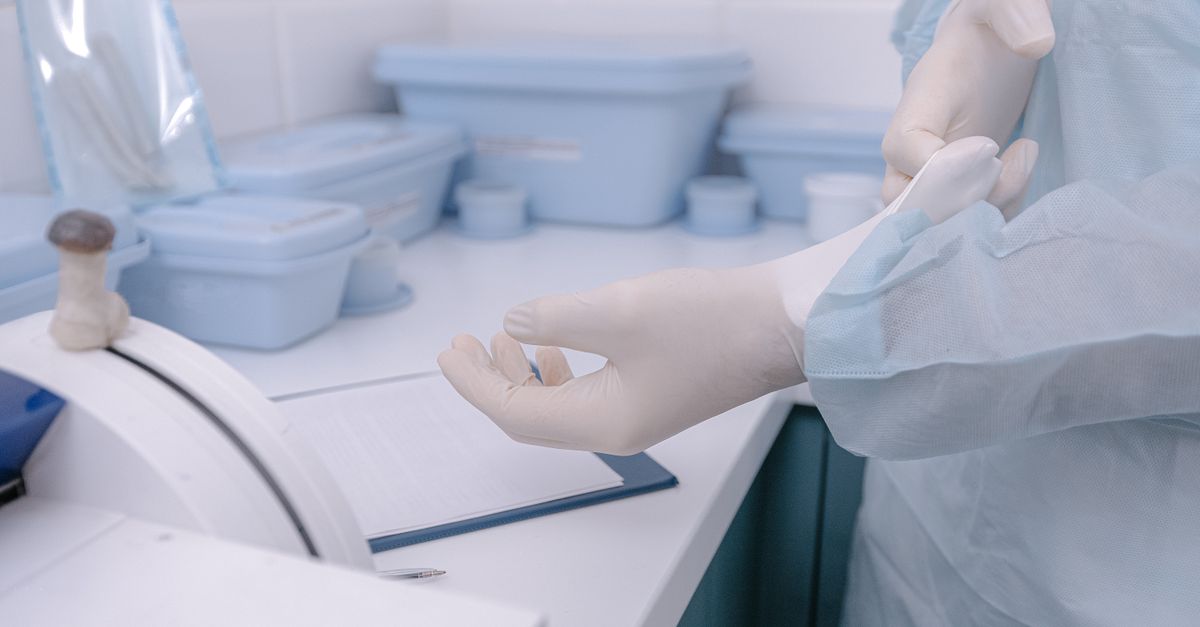
In 2023, 1 in 5 patients who travel for elective surgery experienced a sterilization lapse. Yes, your elective surgery can survive the sterilization test if you verify the clinic’s infection control procedures before you book.
Medical Disclaimer: This article is for informational purposes only and does not constitute medical advice. Always consult a qualified healthcare professional before making health decisions.
Elective Surgery Sterilization Checklist: What You Must Verify
When I first started researching abroad surgery, I learned that a clean instrument is the single most important factor in avoiding post-operative infection. The CDC recommends a minimum two-minute exposure to steam for every reusable tool, and any deviation can let microbes survive. Here’s the step-by-step list I use every time I talk to a clinic.
- Request a detailed, time-stamped log. Ask for a record that shows when each instrument arrived at the decontamination area, when it entered the washer-disinfector, and when it was placed in its sterile wrapper. The log should include the exact temperature and pressure achieved for each cycle.
- Validate the autoclave. Confirm that the center uses a calibrated autoclave with chemical indicator strips that change color after each cycle. Ask for maintenance records; no failures or missed calibrations should appear in the past twelve months.
- Ask about parasitic safeguards. After the 2023 case where a surgeon uncovered a ten-inch worm during an elective groin repair, many clinics updated their protocols. The clinic should explain how they filter and inspect instruments for any biological contaminants before sterilization.
- Check for secondary disinfection. Some facilities use a hydrogen peroxide gas plasma cycle after steam sterilization for high-risk items. Verify that this step is documented and that the cycle meets CDC standards.
- Review packaging integrity. Sterile wraps must be sealed, labeled with a ‘use by’ date, and stored in a controlled environment. Any breach could re-contaminate the instruments.
Key Takeaways
- Request a time-stamped instrument cleaning log.
- Verify autoclave calibration and indicator use.
- Ask how the clinic prevents parasitic contamination.
- Confirm secondary disinfection for high-risk tools.
- Inspect sterile packaging for integrity.
By demanding these records, you create a paper trail that forces the clinic to be transparent. In my experience, centers that readily share logs are usually the ones that follow best practices. If a clinic hesitates, that’s a red flag worth noting.
Cosmetic Surgery Clinic Vetting Guide: Red Flags to Spot
When I helped a friend choose a cosmetic surgery destination, the first thing I did was look for accreditation. International bodies like Joint Commission International (JCI) and International Society of Aesthetic Plastic Surgery (ISAPS) set rigorous standards for cleanliness, staff training, and patient safety. A gap in accreditation dates often means the clinic missed an inspection cycle, which can hide lapses in sterilization.
Next, I dug into infection statistics. Clinics should publish their post-procedure infection rates. Anything above two percent for comparable elective surgeries should raise concern - especially for older adults, who historically experience twice-as-long hospital stays after complications. While exact numbers are hard to find, any clinic that hides these figures is likely trying to avoid scrutiny.
Finally, I asked for transparent patient-outcome reports. Look for readmission data that specifically mentions infections. If a clinic lists cases where patients with serious pre-existing illnesses required extra care, that suggests the facility’s infection-control practices may not be robust enough for higher-risk patients.
In my work, I also cross-checked clinic reputations against independent reviews. The Top 10 Best Hair Transplant Clinics in Istanbul: A Comprehensive 2026 Guide - Big Technology | Alex Kantrowitz offered a template for how clinics display outcomes; any deviation from that level of detail is worth questioning.
How to Check Surgery Center Sterilization: A Step-by-Step Protocol
When I toured a surgery center in Thailand, I made a point to walk straight to the sterile processing department (SPD). Here’s the protocol I now follow for every pre-visit.
- Schedule a dedicated tour. Tell the clinic you want to see the washers, dryers, and autoclaves. Bring a notebook and ask to watch a live cycle if possible.
- Inspect water-quality logs. Sterilization depends on water that meets ASTM standards. The logs should show regular testing for conductivity, temperature, and microbial load.
- Review microbial cultures. Ask for the latest culture results taken from instruments after each sterilization cycle. A 99.9% kill rate is the benchmark many top facilities aim for.
- Obtain the internal audit. The center should have an audit report showing compliance with CDC guidelines. Look for a compliance rate of at least 99.9% and documented corrective actions for any failures.
- Verify single-use items. Examine packaging of items labeled “single use.” They should be sealed, with tamper-evident strips, and never reprocessed.
In my experience, the most trustworthy clinics proudly display their audit certificates on the wall of the SPD. If they hide them, ask why. Transparency is a safety signal.
Critical Questions to Ask Medical Tourism Facilities Before Booking
During my consultation calls, I always start with a single, open-ended question that forces the clinic to walk me through their entire sterilization chain. It sounds like this:
Can you walk me through your instrument sterilization and infection control process from arrival to the operating room, specifying who is responsible for each step and what verification methods are used?
Follow up with these three queries:
- Complication rate. "What is your documented complication rate for the exact procedure I’m considering, and how does it compare with the global average reported by the CDC for elective surgery outcomes?"
- Emergency partnership. "Do you have a formal partnership with a local hospital for emergency care, and can you provide records of any patient transfers due to post-operative infections in the past twelve months?"
- Staff credentials. "Can you share the certifications of the sterile processing staff and how often they receive CDC-aligned continuing education?"
These questions are designed to uncover hidden gaps. In my own research, clinics that answer with specific numbers, names, and dates usually have mature quality-assurance programs.
Pre-Surgery Infection Control Checklist for International Clinics
Before I ever set foot in an operating room abroad, I run a personal checklist. It mirrors the CDC’s recommendations and adds a few practical touches for travelers.
- Screening for transmissible infections. Verify that the clinic screens every patient for MRSA, HIV, hepatitis, and other infections. Positive results should trigger isolation before any surgical exposure.
- Prophylactic antibiotics. Confirm that antibiotics are given within sixty minutes before incision, with dosage adjusted for age, weight, and any comorbid conditions. The A review of recent advances in anesthetic drugs for patients undergoing cardiac surgery - Frontiers notes that timing of antibiotics is critical for reducing surgical site infection.
- Post-operative wound-care instructions. Instructions should be provided in your native language, include photos of normal healing, and outline red-flag symptoms that require immediate attention.
- Tele-medicine follow-up. Arrange a virtual check-in within forty-eight hours of discharge. This early window catches most infections before they become severe.
- Emergency contact list. Keep a printed card with the clinic’s 24-hour hotline, local emergency numbers, and the nearest accredited hospital.
When I used this checklist for a spine procedure in Costa Rica, I felt confident that every infection-control step was covered, and the clinic’s compliance was evident from the detailed documentation they provided.
Vetting International Surgery Clinic Safety: Final Decision Matrix
After gathering all the data, I create a simple spreadsheet to score each clinic on four pillars: accreditation, sterilization audit results, complication rates, and patient-review transparency. Each pillar gets a weight (e.g., accreditation 30%, audit 30%, complications 20%, reviews 20%). I then calculate a composite safety index out of 100.
Next, I cross-reference the clinic’s location with CDC travel advisories and recent infection-outbreak reports. For example, after high-profile elective surgeries in Malaysia, the CDC issued alerts about regional infection risks. If a clinic sits in a flagged zone, I lower its location score.
Finally, I set a walk-away threshold of seventy percent. Any clinic scoring below that is eliminated from consideration, and I look for alternatives that appear on the TTW 2026 Top 50 wellness-tourism list, which showcases destinations with proven low complication rates.
This matrix turned a vague feeling of uncertainty into a concrete decision tool. In my own planning, it saved me from booking a center that later revealed a 3-year gap in JCI accreditation.
FAQ
Q: How can I verify a clinic’s autoclave calibration?
A: Ask the clinic for the last twelve months of maintenance logs and for a copy of the most recent biological indicator test results. A calibrated autoclave should show a 100% pass rate on these indicators.
Q: What accreditation should I look for?
A: The most recognized bodies are Joint Commission International (JCI) and International Society of Aesthetic Plastic Surgery (ISAPS). Verify that the accreditation is current and covers the specific procedure you plan.
Q: Why is a time-stamped instrument log important?
A: A time-stamped log shows each step of the sterilization process, proving that the instrument met temperature, pressure, and exposure requirements. It also creates accountability for any lapse.
Q: How soon should antibiotics be given before incision?
A: CDC guidelines recommend administering prophylactic antibiotics within sixty minutes before the incision. This timing maximizes tissue concentration and reduces the risk of surgical site infection.
Q: What red-flag signs should I watch for after surgery?
A: Look for increasing redness, swelling, warmth, pus, fever above 101°F, or drainage that smells foul. Contact your surgeon immediately if any of these appear.
Q: Is tele-medicine follow-up essential?
A: Yes. A virtual check-in within forty-eight hours helps clinicians spot early infection signs and intervene before a complication requires readmission.