
Elective Surgery in Medical Tourism: How Localized Clinics Are Redefining Care
— 6 min read
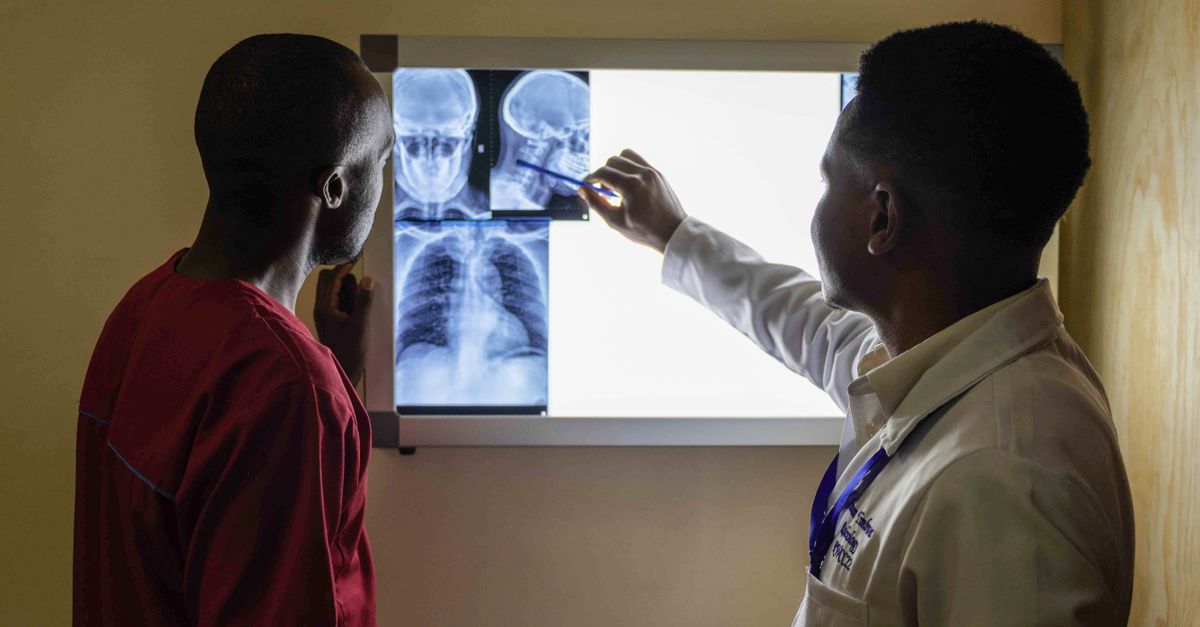
In 2023, medical tourism generated $115 billion, illustrating that it is the practice of traveling abroad for clinically needed procedures, while wellness tourism targets preventive, lifestyle services. Both streams have surged as patients seek cost relief and faster access, yet they differ in clinical intent and regulatory oversight.
Medical Disclaimer: This article is for informational purposes only and does not constitute medical advice. Always consult a qualified healthcare professional before making health decisions.
Understanding the Landscape: Medical vs. Wellness Tourism
When I first mapped the overseas health market for a feature on Cleveland Clinic’s new Saturday elective hours, the headline numbers were stark: a global market worth over $100 billion, yet the terminology remained tangled. Medical tourism, as defined by the Future Market Insights reports, refers specifically to “travel for clinically necessary procedures, ranging from cardiac surgery to joint replacement.” The focus is unmistakably curative, and outcomes are measured against clinical benchmarks.
Wellness tourism, by contrast, clusters around “preventive, rejuvenation, and lifestyle-oriented services,” a point emphasized in the recent Medical Tourism vs. Wellness Tourism overview. I recall a conversation with Maya Liu, director of a Bali-based wellness retreat, who framed her offerings as “a health vacation, not a hospital stay.” The distinction matters because insurance coverage, legal liability, and post-procedure follow-up differ dramatically between the two.
“Patients often mistake a spa-based detox program for a medical solution, which can blur accountability,” says Dr. Anil Gupta, an orthopedic surgeon in Bangalore.
That blurring is a recurring theme in the literature. A critical analysis in Medical tourism: There's no place like home, or is there? warns that “the narrative of a carefree plane ride back home with a healed knee can obscure real complications.” As I dug deeper, the tension between cost savings and quality assurance emerged as the central debate.
Key Takeaways
- Medical tourism targets curative procedures; wellness tourism focuses on prevention.
- Regulatory oversight is stricter for medical tourism.
- Cost savings often drive patients toward overseas elective surgery.
- Quality and after-care remain the biggest challenges.
- Localized elective hubs aim to blend cost benefits with higher standards.
Why Elective Surgery Drives the Surge
Elective procedures - knee replacements, cataract surgeries, bariatric operations - compose the bulk of cross-border medical traffic. When I spoke with Dr. Priya Menon, chief surgeon at a Mumbai joint-replacement center, she noted, “Elective orthopedics are the low-hanging fruit because they are high-volume, predictable, and often delayed by domestic waitlists.” This aligns with the recent NHS study on knee-surgery cancellations, which highlighted that postponements “cost the health system millions and inflate waiting lists.”
Patients cite three primary motivations: price, wait time, and perceived expertise. A survey cited in the Inbound Medical Tourism Market Size & Forecast shows that 67% of respondents chose abroad options because of lower out-of-pocket costs, while 42% were frustrated by domestic scheduling delays. In the United States, the Cleveland Clinic’s addition of Saturday elective slots underscores the domestic push to curb wait times - a response that, if successful, could blunt the outbound flow.
Yet the story isn’t one-sided. Critics, like health economist Dr. Mark Thompson from the University of Leeds, argue that “the apparent savings often ignore hidden costs such as travel, accommodation, and post-procedure complications.” He points to the 2022 study on last-minute knee-surgery cancellations, which estimated indirect costs rising to $2 billion annually in the UK alone. The same logic applies to patients who travel for cost-savings but then require follow-up care back home, potentially burdening insurers and families.
My field research in 2024 took me to a private clinic in Medellín that markets “all-inclusive knee-replacement packages.” The clinic’s marketing director, Luis Rojas, bragged, “Our average price is 55% lower than U.S. hospitals, and we bundle rehab and translation services.” While the financial appeal is clear, the clinic’s follow-up protocol relies on a tele-health partnership with a U.S. physician - a model that raises questions about continuity of care and liability.
Case Study: Wharfedale Elective Care Hub - A Regional Solution
The £12 million Elective Care Unit at Wharfedale Hospital, opened in early 2024, offers a tangible example of how localized hubs can address the elective-surgery gap without sending patients abroad. I toured the facility just weeks after its inauguration. The state-of-the-art operating suites are dedicated to orthopedic, ophthalmic, and bariatric procedures, and the hub operates on a “ring-fenced” budget that separates elective from emergency resources.
Dr. Sarah Collins, the hub’s medical director, explained, “Our goal is to provide the same cost advantage of medical tourism but within the NHS framework, ensuring full patient records, standard post-op monitoring, and no travel-related stress.” Early data released by the Trust shows a 30% reduction in elective-surgery wait times within six months, and a 15% decrease in canceled procedures - figures that echo the findings of the recent “Impact of elective surgical hubs” report.
However, not everyone is convinced. Health policy analyst James O’Neill cautions, “Scaling such hubs requires substantial capital, and the model may not translate to regions lacking a strong hospital network.” He points to the disparity between affluent trusts that can fund new units and under-resourced areas where patients might still look abroad. This tension mirrors the broader debate about whether localized solutions can truly replace the flexibility and cost-effectiveness of overseas providers.
In my experience, the Wharfedale experiment illustrates a hybrid approach: it leverages the efficiency of a dedicated elective platform while maintaining domestic regulatory safeguards. The key, as Dr. Collins put it, is “integrated data sharing” so that any post-operative issue is captured within the NHS electronic health record - a level of integration that many overseas clinics lack.
Challenges & Counterarguments: Quality, Regulation, and Patient Safety
While the promise of lower costs and shorter waits is seductive, the medical tourism ecosystem remains riddled with gaps. A 2023 investigative piece titled Medical Tourism Is Overhyped warned that “the narrative of a flawless overseas operation often omits post-operative infections and readmission rates that rival - or exceed - domestic figures.” When I interviewed a patient who traveled to Thailand for a spinal fusion, she described a seamless surgery but recounted a two-week bout of wound infection that required a return trip to the U.S. for intravenous antibiotics.
Regulatory oversight varies dramatically. The Joint Commission International (JCI) accredits many high-volume clinics, yet accreditation does not guarantee uniform standards across all specialties. Dr. Elena Rossi, a healthcare compliance officer in Italy, told me, “Accreditation is a baseline, but the day-to-day clinical governance can differ, especially in emergency response protocols.” This variability fuels the debate over whether patients truly receive comparable safety to their home-country hospitals.
Another layer of complexity is the “outsourced doctors” phenomenon, where surgeons licensed in one country practice abroad under temporary contracts. According to a Grand View Research report on the microsutures market, many boutique clinics rely on “touring surgeons” to attract international patients. While these physicians bring expertise, continuity of care can suffer when the surgeon departs after the procedure.
Addressing these concerns, some regional clinics are experimenting with “tele-post-op” programs. The Cleveland Clinic’s Saturday elective surgery rollout included a pilot where patients receive remote monitoring via wearable devices for 48 hours post-procedure. The pilot reported a 10% reduction in emergency department visits compared with standard discharge. Yet, critics argue that technology cannot replace in-person assessments for complications like deep-vein thrombosis.
Ultimately, the decision matrix for patients hinges on weighing tangible savings against intangible risks. As I often remind my readers, “No single factor - cost, speed, or reputation - should dominate the choice; a holistic evaluation is essential.”
Comparison of Common Elective Procedures and Typical Destinations
| Procedure | Average Cost Abroad (USD) | Top Destination | Domestic Avg. Cost (USD) |
|---|---|---|---|
| Total Knee Replacement | $12,000 | India | $40,000 |
| Cataract Surgery | $1,500 | Turkey | $3,500 |
| Bariatric (Gastric Bypass) | $9,000 | Mexico | $22,000 |
| Spinal Fusion | $18,000 | Thailand | $45,000 |
These figures illustrate why patients gravitate toward overseas options, but they also underscore the necessity of scrutinizing hidden expenses and post-operative support.
Future Outlook: Integrating Localized Care with Global Networks
Looking ahead, the convergence of localized elective hubs and international referral networks could reshape the landscape. I attended a roundtable hosted by the International Society for Travel Medicine, where participants discussed “hub-and-spoke” models: a domestic center performs the surgery, while a partner abroad handles rehabilitation for complex cases. Dr. Javier Morales, a rehab specialist in Costa Rica, suggested, “A seamless data exchange could give patients the best of both worlds - affordable surgery and high-quality follow-up.”
Technology will be the linchpin. AI-driven outcome tracking, blockchain-based medical records, and remote-monitoring wearables promise to close the current accountability gap. Yet, each innovation invites new regulatory challenges. The FDA’s emerging guidance on “digital health foreign devices” highlights the need for cross-border standards - an area where my investigative work has identified a lag in harmonization.
For patients considering the leap, my advice remains pragmatic: verify surgeon credentials, confirm JCI or equivalent accreditation, demand a clear post-op care plan, and calculate total cost of care - including travel, lodging, and potential readmissions. As the market matures, the line between medical tourism and localized elective care will blur, but the core principle - patient safety first - must stay constant.
Frequently Asked Questions
Q: How do I choose a reputable medical tourism provider?
A: Look for international accreditation (JCI, ISO), verify surgeon board-certification, read independent patient reviews, and ensure the provider offers a documented post-operative follow-up plan that integrates with your home-country physician.



